
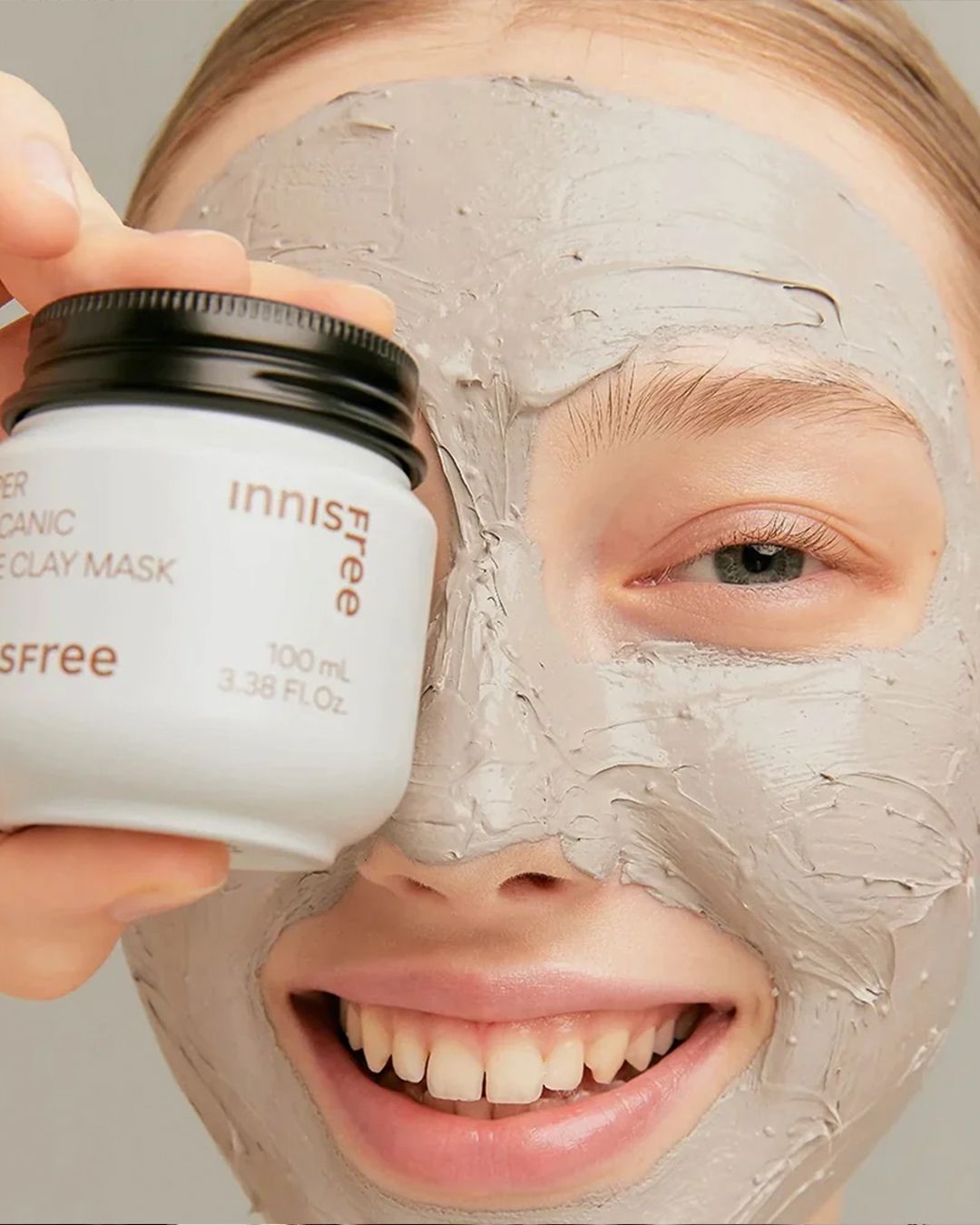
PORE CLEANSING MASK
Embarking on a journey through the multifaceted world of skincare, one inevitably encounters the venerable clay face mask. This staple of cosmetic regimens possesses an almost mythical reputation for purification and revitalization. If you have ever perused the beauty aisles of a boutique or digitally traversed the landscape of online skincare tutorials, their presence is ubiquitous. Housed in minimalist jars and utilitarian tubes, they exhibit a spectrum of earthy hues—from deep vert to pale rose and muted grey. The iconic image of an individual adorned with a desiccated, geological paste upon their visage, awaiting a transformative outcome, is deeply ingrained in our collective consciousness.
Yet, what constitutes the fundamental reality beneath the surface of these products? What are the mechanistic principles governing their function? Is their composition universally appropriate for every dermatological classification? Crucially, why does this elementary substance, essentially refined sediment, command such a prestigious position within the pantheon of skincare solutions?
This exhaustive manual will demystify these inquiries with meticulous detail. We shall plunge into the intricate universe of clay-based facial treatments, dissecting the scientific foundations that underpin their efficacy, cataloging the diverse varieties obtainable, and delineating the precise methodologies for their optimal application. A particular emphasis will be placed upon their remarkable proficiency for profound epidermal detoxification, establishing them as a superlative pore cleansing mask. For those contending with sebum-rich complexions, sporadic imperfections, or a simple aspiration to maintain unimpeded follicular openings, mastering the deployment of a clay mask can instigate a veritable revolution in your cosmetic routine.
Consider this treatise your authoritative reference for all matters pertaining to clay masks. Upon its conclusion, you will possess the discernment to select the ideal formulation, the technique for its flawless implementation, and the knowledge of why this primordial, elemental component has been utilized for millennia to cultivate a vibrant, healthy epidermis.
Deconstructing the Clay Face Mask: A Primer
In its most fundamental iteration, a clay face mask is a topical preparation principally composed of various mineral-based clays. However, this is not the common terrestrial material utilized in ceramics. The clay curated for cosmetic purposes is specifically sourced for its singular capacity to absorb contaminants and its rich endowment of beneficial trace minerals.
How, then, does an earthen aggregate transform into a potent cutaneous treatment? The explanation resides in a confluence of singular physicochemical attributes:
Absorptive Capacity: Clay functions as a microscopic, highly efficient sponge. It is engineered to imbibe surplus lipids (sebum) from the epidermal surface and the subdermal recesses of pores. This foundational action is what qualifies it as a preeminent pore cleansing mask.
Adsorptive Potential: This represents a distinct, though equally critical, scientific concept. Whereas absorption involves the internalization of substances, adsorption denotes the process where molecules—such as environmental pollutants, microbial agents, and toxic residues—adhere to the exterior surface of the clay particle. Visualize a magnet attracting metallic shavings; this analogous principle is adsorption. The clay acts as a potent attractant for a multitude of cutaneous impurities.
Exfoliative Property: During the desiccation phase and subsequent removal of the clay mask, a gentle sloughing of deceased corneocytes (surface skin cells) occurs. This induces a mild mechanical exfoliation, culminating in a texturally refined and optically illuminated complexion.
Mineral Infusion: Naturally occurring clays are replete with a plethora of advantageous minerals, including magnesium, calcium, silica, and zinc. This mineral consortium can assuage inflammation, deliver nutritive support to the skin, and foster comprehensive dermatological health.
The synergistic integration of these processes yields a treatment that delivers intensive cleansing, detoxification, and rejuvenation. This multifaceted operational strategy distinguishes a high-caliber pore cleansing mask from a rudimentary facial cleanser. It constitutes an intervention that operates at a profoundly deeper level of the skin’s architecture.
The Dermatological Rationale for a Superior Pore Cleansing Mask
Our integumentary system is a perpetually active organ. It generates oils to maintain hydration, cyclically sheds cellular debris, and constantly interfaces with exogenous particulates—atmospheric pollutants, mineral dust, and perspiration. Cumulatively, these elements can amass within our pilosebaceous units (pores). These minuscule orifices serve as conduits for hair follicles and the associated sebaceous glands.
When an individual pore becomes obstructed by an amalgamation of sebum, defunct keratinocytes, and bacteria, it can precipitate several prevalent cutaneous conditions:
Open Comedones (Blackheads): Formed when the occluded follicle remains patent to the atmosphere, inducing oxidation and a characteristic dark pigmentation at the surface.
Closed Comedones (Whiteheads): Resulting when the follicular opening is obstructed by a thin layer of epidermis, trapping the material beneath.
Generalized Congestion: The skin manifests a uneven, rugose texture and a loss of inherent luminosity.
A standard cleansing agent performs admirably in sanitizing the superficial layers of the skin. Conversely, a clay-based pore cleansing mask is engineered to address the internal environment of the pores themselves. By extracting the superfluous sebum and ingrained impurities responsible for the blockages, a clay mask facilitates:
The visual minimization of pores (they present as reduced when devoid of content).
The prophylaxis against comedo formation.
The mitigation of surface shine linked to hyperactive sebaceous glands.
The generation of a more uniform, polished dermal canvas.
Integrating a pore cleansing mask, such as a clay formulation, into a weekly regimen is analogous to administering a comprehensive, systemic decluttering to your skin. It is an indispensable practice for any individual committed to sustaining a genuinely immaculate and healthy cutaneous appearance.
A Taxonomic Survey of Clays: Identifying Your Ideal Geological Ally
The universe of clays is not a monolithic entity. Diverse clay species exhibit unique characteristics, mineralogical profiles, and potencies. Selecting the appropriate variant for your specific dermal typology is paramount for achieving exemplary outcomes. Let us examine the most prominent members of this mineral family encountered in commercial preparations.
1. Bentonite Clay
Frequently designated the “curative clay,” Bentonite represents one of the most formidable purifying agents available. It originates from volcanic ash that has undergone extensive weathering. Upon hydration, it undergoes a significant expansion.
Optimal Application: Sebum-rich, acne-susceptible skin.
Defining Characteristic: It exhibits a powerful negative electrochemical charge. When aqueous introduction occurs, it magnetically attracts positively charged ions from toxins and impurities. This renders it a formidably effective pore cleansing mask for individuals necessitating an intensive, uncompromising purification.
Visual Identification: Typically a pale grey or off-white shade.
Consideration: Owing to its potent action, it can be profoundly desiccating. Individuals with xerotic (dry) or sensitive skin should employ it judiciously, potentially amalgamating it with emollient constituents like honey or yogurt.
2. Kaolin Clay
This variety is widely regarded as the most benign and temperate of clays. A fundamental component in porcelain fabrication, it is exceptionally suitable for skincare. Its absorptive capacity is less aggressive than Bentonite, enhancing its versatility.
Kaolin clay itself is subdivided by chromatic variations, each conferring subtle differential attributes:
White Kaolin: The most mild-mannered iteration. It is superlative for sensitive, arid, or mature skin. It offers a delicate cleansing action and enhances microcirculation.
Pink Kaolin: A harmonious blend of red and white kaolin. It serves as an excellent intermediate option, compatible with normal, combination, or sensitive skin types. It purifies without inducing excessive dehydration.
Red Kaolin: Enriched with iron oxide, which imparts its distinctive hue. It demonstrates greater absorptivity than its white or pink counterparts and is suitable for normal to oily complexions. It is also renowned for its anti-inflammatory properties.
Yellow Kaolin: Possessing absorptive qualities akin to red kaolin, it is appropriate for normal to oily skin and is similarly abundant in mineral content.
For a novice to facial masks or an individual with a reactive complexion, a kaolin-based pore cleansing mask provides an exemplary and secure introductory experience.
3. French Green Clay (Illite Clay)
This is another highly absorbent clay, distinguished by its characteristic green pigmentation, derived from decomposed organic matter and ferric oxides. It is a repository of essential minerals.
Optimal Application: Oily, acne-prone, and lackluster skin.
Defining Characteristic: It excels at sequestering impurities and surplus oil, while simultaneously invigorating dermal blood flow, bestowing a healthy, radiant glow. A French Green Clay pore cleansing mask delivers a stimulating sensation and is phenomenal for reanimating a fatigued epidermis.
4. Rhassoul Clay
Sourced from the geological strata of Morocco’s Atlas Mountains, Rhassoul clay boasts a millennium-long history of application. It is unique for its exceptionally fine, silt-like consistency.
Optimal Application: All dermatological categories, inclusive of sensitive skin.
Defining Characteristic: It is highly absorbent yet concurrently abundant in minerals such as magnesium, potassium, and silica, which contribute to softening and conditioning the skin. In contrast to certain clays that impart a sensation of stricture, a Rhassoul clay pore cleansing mask typically leaves the skin feeling sanitized, satiny, and pliable.
5. Charcoal-Infused Clay Masks
Although not a clay per se, activated charcoal is a prevalent adjunct in clay mask formulations. Activated charcoal is an ultra-fine black powder characterized by immense porosity. It operates via adsorption, ensnaring toxins, chemical agents, and particulate matter. Its combination with clay produces a superlatively charged pore cleansing mask, particularly efficacious for evacuating impurities accumulated from densely populated, urban settings.
A Methodical Protocol for Clay Mask Application: A Blueprint for Impeccable Outcomes
The deployment of a clay mask may appear intuitively straightforward—a simple application followed by rinsing. While the process is not inherently complex, adherence to a structured sequence of steps can profoundly influence the final result and safeguard against potential irritation.
Phase 1: Preliminary Preparation (Establishing a Pristine Foundation)
Invariably commence with an impeccably clean, pore cleansing mask anhydrous facial surface. Utilize your customary gentle cleanser to eliminate all traces of cosmetics, solar protection, and exogenous debris. This permits the mask to interact directly with the cutaneous tissue and intra-follicular spaces, unimpeded by a superficial layer of grime. Gently pat the skin dry. To potentiate the cleansing depth, you may cautiously vaporize your face for several minutes over a vessel of heated water or apply a warm, moistened compress. The thermogenic and hydrating effects facilitate a mild dilation of the pores, priming them for the subsequent pore cleansing mask.
Phase 2: Precise Application (Achieving Uniform Stratification)
Employing a dedicated brush, silicone spatula, or sanitized digital extremities, administer a consistent, slender stratum of the clay mask to your face. A frequent error involves excessively thick application. A attenuated layer will desiccate homogeneously and perform optimally. A dense layer may require protracted drying periods and complicate removal.
Circumvent Vulnerable Regions: Meticulously avoid the periocular zone (where the dermis is exceptionally delicate) and the vermilion border of the lips.
Strategic Zonal Targeting: For combination skin types, a more generous application can be allocated to the sebaceous T-zone (frontal bone, rhinarium, and mental protuberance), with a more sparing layer on the typically drier malar regions.
Phase 3: The Interlude of Inactivity (The Process of Dessication)
At this juncture, repose and allow the mask to execute its purpose. Most formulations will achieve complete desiccation within a 10 to 15-minute temporal window. Readiness is indicated by a lightened coloration and a sensation of tautness and aridity upon palpation. It is imperative to preclude excessive drying. If pore cleansing mask the mask develops fissures and evokes a parched, desert-like sensation, it has been left too long, risking significant depletion of natural moisturizing factors and irritation. Utilizing a chronological reminder is a prudent measure.
This is the critical period during which the pore cleansing mask is dynamically pore cleansing mask absorbing sebum and adsorbing impurities. During desiccation, a slight, ephemeral tingling may be perceptible—this is often normative and indicative of the clay stimulating capillary circulation. However, the emergence of a sharp, burning, or painful sensation mandates immediate removal, as it may signal an adverse reaction.
Phase 4: Meticulous Removal (The Paramountcy of Gentleness)
This step is of critical importance. Abrasively scouring the desiccated mask from the skin can provoke significant inflammation. The optimal removal technique involves tepid water and a pliable muslin cloth or the hands.
Initial Rehydration: Splash the face with lukewarm water to mollify and pore cleansing mask rehydrate the hardened mask.
Rotational Manipulation: Using the dampened cloth, delicately efface the mask with minute, circular gestures. This concurrently provides a superficial exfoliation.
Comprehensive Ablution: Ensure a thorough rinsing to eliminate all residual clay particulate, with particular attention to the frontal hairline and mandibular periphery.
Phase 5: The Culmination (Reinforcing the Epidermal Barrier)
Subsequent to gently drying the skin, your pores are now clarified and receptive. This represents the ideal moment to proceed with the remainder of your skincare ritual. Given the potentially dehydrating nature of clay, it is absolutely essential to restore hydric balance.
pH-Balancing Toner: Implement an alcohol-free toner to re-equilibrate the skin’s acid mantle and provide a preliminary layer of hydration.
Concentrated Serum: Administer a hydrating serum incorporating constituents such as hyaluronic acid to replenish aqueous reserves.
Occlusive Moisturizer: Conclude invariably with an efficacious moisturizer to seal in the hydration and fortify the cutaneous barrier function.
This post-application sequence guarantees that the skin is left feeling purified and invigorated, rather than constricted and dehydrated. It finalizes the therapeutic cycle initiated by the pore cleansing mask.
Determining the Optimal Frequency of Clay Mask Utilization
Establishing a judicious application schedule is fundamental. Excessive use can denude the skin of its essential lipids, precipitating xerosis, irritation, and a potential compensatory overproduction of sebum.
The subsequent guidelines provide a foundational framework:
Oily or Acne-Prone Skin: 2-3 intervals per week.
Combination Skin: 1-2 intervals weekly, with focused application on sebum-active regions.
Normal Skin: A solitary weekly application suffices for prophylactic maintenance.
Dry or Sensitive Skin: Once per week or bi-weekly. Preference should be accorded to milder clays, such as pink or white kaolin.
It is imperative to maintain attunement to your skin’s responses. Should it manifest sensations of tightness, pruritus, or erythema post-treatment, attenuate the frequency accordingly.
Augmenting Your Mask: Bespoke Additives for Personalized Objectives
A particularly engaging aspect of clay masks, especially when procured in pure powder form, is the capacity for customization by amalgamation with various liquid vehicles, thereby engineering a tailored pore cleansing mask for specific dermatological ambitions. Substitute plain water with these potential enhancers:
For Enhanced Hydration: Aloe Vera Gel or Manuka Honey. Combining clay with aloe vera gel or unprocessed honey yields a demulcent and moisturizing amalgam. Honey possesses intrinsic antibacterial and humectant attributes (attracting atmospheric moisture), effectively countervailing the desiccating tendencies of clay. This generates a more equilibrated pore cleansing mask.
For Anti-Inflammatory Effects: Yogurt or Oatmeal Infusion. Plain yogurt contains lactic acid (a mild Alpha-Hydroxy Acid) and probiotic cultures that can pacify inflammation. Incorporating colloidal oatmeal or its strained aqueous extract into your clay mask can be profoundly soothing for irritated or sensitive skin.
For Antioxidant Fortification: Green Tea or Diluted Apple Cider Vinegar. Steeped and cooled green tea is a repository of polyphenolic antioxidants. A minimal quantity of raw, unfiltered apple cider pore cleansing mask vinegar (substantially diluted—it is potent!) can assist in normalizing the skin’s pH. A preliminary patch test with ACV is unequivocally recommended.
Fabricating a personalized pore cleansing mask amalgamation can be a gratifying endeavor to confront particular cutaneous concerns. Nonetheless, perpetually conduct a patch test on a discrete dermal area (e.g., the retroauricular sulcus) prior to full facial application of any novel DIY concoction.
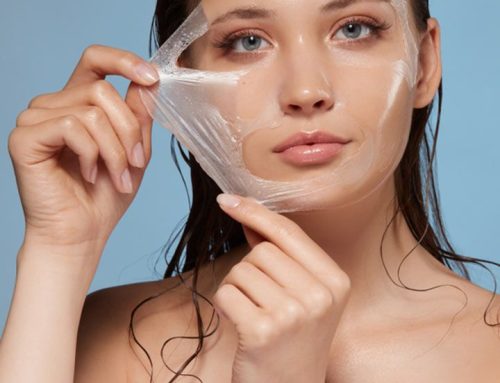
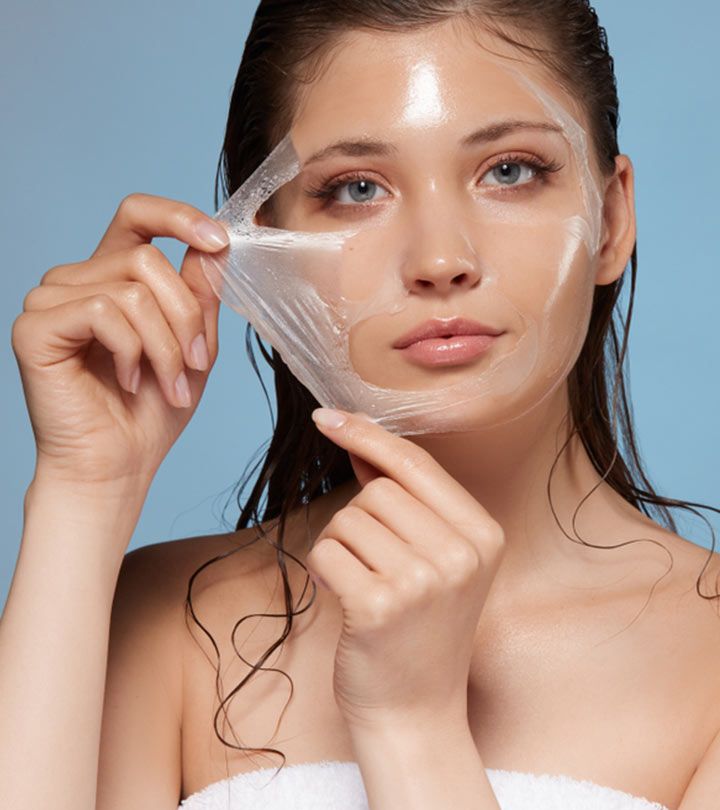
Contrasted with Peel-Off Masks: Peel-off masks, frequently utilized as comedone extractors, operate by adhering to the superficial aspect of impurities and physically extracting them upon detachment. This mechanism can be traumatically abrasive. A clay pore cleansing mask functions more benignly by evacuating impurities via absorptive and adsorptive processes, presenting a less aggressive alternative for profound cleansing.
Contrasted with Overnight Masks: These are essentially dense, occlusive moisturizers designed for nocturnal application. Their purpose is intensive hydration and epidermal repair. A clay mask is a short-duration, rinse-off intervention that must never be retained overnight, as it would induce profound dehydration.
In essence, the clay mask occupies a singular and indispensable niche: that of a purifying agent. It is the quintessential pore cleansing mask within a comprehensive skincare arsenal.
Prevalent Misapplications to Circumvent with Clay Masks
To maximize the benefits of your mask and preclude iatrogenic complications, eschew the following commonplace oversights:
Permitting Complete Dessication (Universal Contraindication): As previously elucidated, allowing the mask to become utterly arid and fissured can be excessively stripping. For severely xerotic skin, some dermatological authorities advise rinsing while the mask retains a slight residual humidity.
Application to Dehydrated Skin: Dehydrated skin is characterized by a water deficit, not a lipid surplus. Deploying a potent pore cleansing mask on dehydrated dermis can exacerbate the condition. Prioritize hydrating treatments to re-establish optimal moisture levels first.
Omission of Moisturizer: Neglecting moisturization subsequent to a clay mask is a cardinal error. Your clarified, receptive pores necessitate immediate hydration and barrier reinforcement.
Utilization on Compromised or Solar-Injured Skin: If the pore cleansing mask cutaneous barrier is already impaired, a clay mask will likely provoke further irritation. Allow for complete recuperation prior to application.
Employing Metallic Implements for DIY Formulations: When reconstituting powdered clay, opt for wooden, plastic, or glass utensils. A postulated interaction between metallic ions and the clay’s structure could potentially diminish its efficacy.
The Final Synthesis: Assessing the Suitability of the Clay Face Mask
The unassuming clay face mask endures as a perennial titan in skincare for a compelling rationale. Its innate proficiency to extract impurities, sequester excess sebum, and impart a sensation of renewed smoothness is virtually unparalleled. For individuals managing oleaginous skin, follicular congestion, dilated pores, or acneiform conditions, the strategic incorporation of a discerningly selected pore cleansing mask into a weekly protocol can produce manifestly observable and gratifying improvements.
It is an immensely adaptable instrument. Whether your selection is a temperate kaolin for a sensitive complexion or a robust bentonite for an intensive detoxification, a suitable clay variant exists for nearly every individual. The essential principles are to remain observant of your skin’s signals, apply the product with methodological precision, and invariably conclude with copious rehydration.
Conceptualize your pore cleansing mask weekly clay mask ritual as an indispensable recalibration for your skin—an interval of dedicated self-care that confers a profound, systemic purification unattainable by pore cleansing mask quotidian cleansers. It constitutes a strategic investment in the perennial vitality and lucidity of your complexion. Therefore, proceed with confidence, identify your ideal geological partner, and relish the immaculate, rejuvenated sensation uniquely bestowed by an exceptional pore cleansing mask.




Leave A Comment