
Table of Contents
ToggleKorean vitamin C serum
Have you ever seen a photo of someone with “glass skin”? This term describes skin that is so smooth, clear, and glowing it looks like a pane of glass. This look isn’t created with heavy makeup or fancy filters. It often comes from a famous beauty philosophy known as Korean skincare.
But what exactly is Korean skincare? Is it just a Korean vitamin C serum list of ten complicated steps? Is it about using strange, exotic ingredients? The truth is, it’s much more than that. Korean skincare is a gentle, thoughtful approach to taking care of your skin. It focuses on keeping your skin healthy, hydrated, and happy over a long period. It’s about prevention, not just fixing problems when they appear.
This guide will walk you through everything you need to know about building a Korean skincare routine. We will explore the core ideas, break down the famous steps, and talk about powerhouse ingredients. One of the most celebrated ingredients in this world is Vitamin C. We will take a deep dive into why a Korean vitamin C serum is considered a superstar product for achieving that legendary glow. Get ready to learn how to transform your skin from the inside out!
More Than a Routine: The Philosophy Behind Korean Skincare
Before we talk about products, it’s important to understand the mindset. In the West, skincare can sometimes feel like a chore. We often look for a “magic bullet”—one strong product that will solve all our problems quickly. This can lead to using harsh ingredients that irritate the skin.
The Korean skincare philosophy is different. It is built on a few key principles:
-
Hydration is King: The most important goal is to keep your skin deeply hydrated. Think of your skin like a sponge. A dry sponge is hard and rough. A wet sponge is soft and plump. Korean skincare aims to make your skin a “wet sponge” by layering lightweight, hydrating products. Well-hydrated skin looks brighter, feels smoother, and is more resilient.
-
Gentle Care is Key: Instead of scrubbing harshly or using strong acids every day, the focus is on gentle cleansing and mild exfoliation. The idea is to support your skin’s natural protective barrier, not attack it. A healthy skin barrier keeps moisture in and irritants out.
-
Layering (Like an Onion): This is where the famous “10-step routine” comes from. But don’t be scared! It’s not about using ten intense products. It’s about applying multiple thin, watery layers of product. You start with the lightest texture (like a mist) and end with the heaviest (like a cream). Each layer has a specific job, and together they deliver a big dose of hydration and nutrients.
-
Prevention and Consistency: This philosophy is a marathon, not a sprint. The goal is to prevent issues like dark spots and wrinkles before they start by consistently caring for your skin every single day. It’s a form of self-care, like brushing your teeth.
Building Your Routine: The Steps Explained
You do not need to do all ten steps! A basic routine can have just four or five steps. The chart below shows how you can build your routine from a simple foundation to a more Korean vitamin C serum comprehensive regimen. The most important rules are: use sunscreen during the day, and double cleanse at night.
Now, let’s explore what each step involves.
Step 1: Oil Cleanser (First Cleanse)
This step is for the evening. An oil cleanser is used to remove sunscreen, makeup, and the oil-based dirt that accumulates on your skin during the day. It might seem strange to use oil to clean your face, but it works on a simple principle: “like dissolves like.” The oil in the cleanser binds to the oil on your face and washes it away without stripping your skin. You massage it onto a dry face with dry hands, then add water to emulsify it (turn it milky) before rinsing.
Step 2: Water Cleanser (Second Cleanse)
After the oil cleanse, you use a water-based cleanser. This is usually a gentle foam or gel that removes any last traces of dirt and sweat. The double cleanse method ensures your skin is perfectly clean and ready to absorb the products that follow. A common favorite is a low-pH foaming cleanser that doesn’t leave your skin feeling tight.
Step 3: Toner
Forget the old-fashioned toners that were mostly alcohol and dried out your skin! Korean toners are completely different. They are often called “softeners” or “skin.” Their job is to hydrate your skin and balance its pH level after cleansing. They prepare your skin to drink up the next layers of product. You can pat them into your skin with your hands or use a soft cotton pad.
Step 4: Essence
This is a unique step in Korean skincare. An essence is a lightweight, watery product that is packed with nutrients. It’s like a drink of health for your skin cells, helping with hydration and cell turnover. It’s not as heavy as a serum but more active than a toner. This is an optional step, but many people love it for the extra glow it provides.
Step 5: Serum/Ampoule
This is where you target your specific skin concerns. Serums are concentrated treatments with active ingredients. This is the step where you would use a brightening serum Korean vitamin C serum, an anti-aging serum, or a hydrating serum. This is also the perfect place for a Korean vitamin C serum. Ampoules are like super-charged serums—even more concentrated—used for a short period when your skin needs an extra boost.
Step 6: Sheet Mask
This is the most fun and relaxing step! A sheet mask is a fabric mask soaked in a serum-like essence. You place it on your face for 15-20 minutes. It creates a physical barrier that helps your skin absorb the nutrients deeply. It’s a great treat to use once or twice a week for a major hydration boost.
Step 7: Eye Cream
The skin around your eyes is very thin and delicate. An eye cream is a specially formulated moisturizer for this area. It helps to hydrate and can address concerns like dark circles or fine lines. Gently pat it in with your ring finger, which applies the least pressure.
Step 8: Moisturizer
A moisturizer’s job is to seal in all the hydrating layers you just applied. It acts like a blanket, preventing water from evaporating from your skin. There are different weights of moisturizers—light lotions for daytime or oily skin, and richer creams for nighttime or dry skin.
Step 9: Sunscreen (The MOST Important Step!)
This is the non-negotiable final step of your morning routine. Sun protection is the number one way to prevent skin aging, dark spots, and skin cancer. In Korean skincare, sunscreens are often lightweight, not greasy, and wear well under makeup. You should apply it every single day, rain or shine.
Spotlight on a Superstar: The Power of a Korean Vitamin C Serum
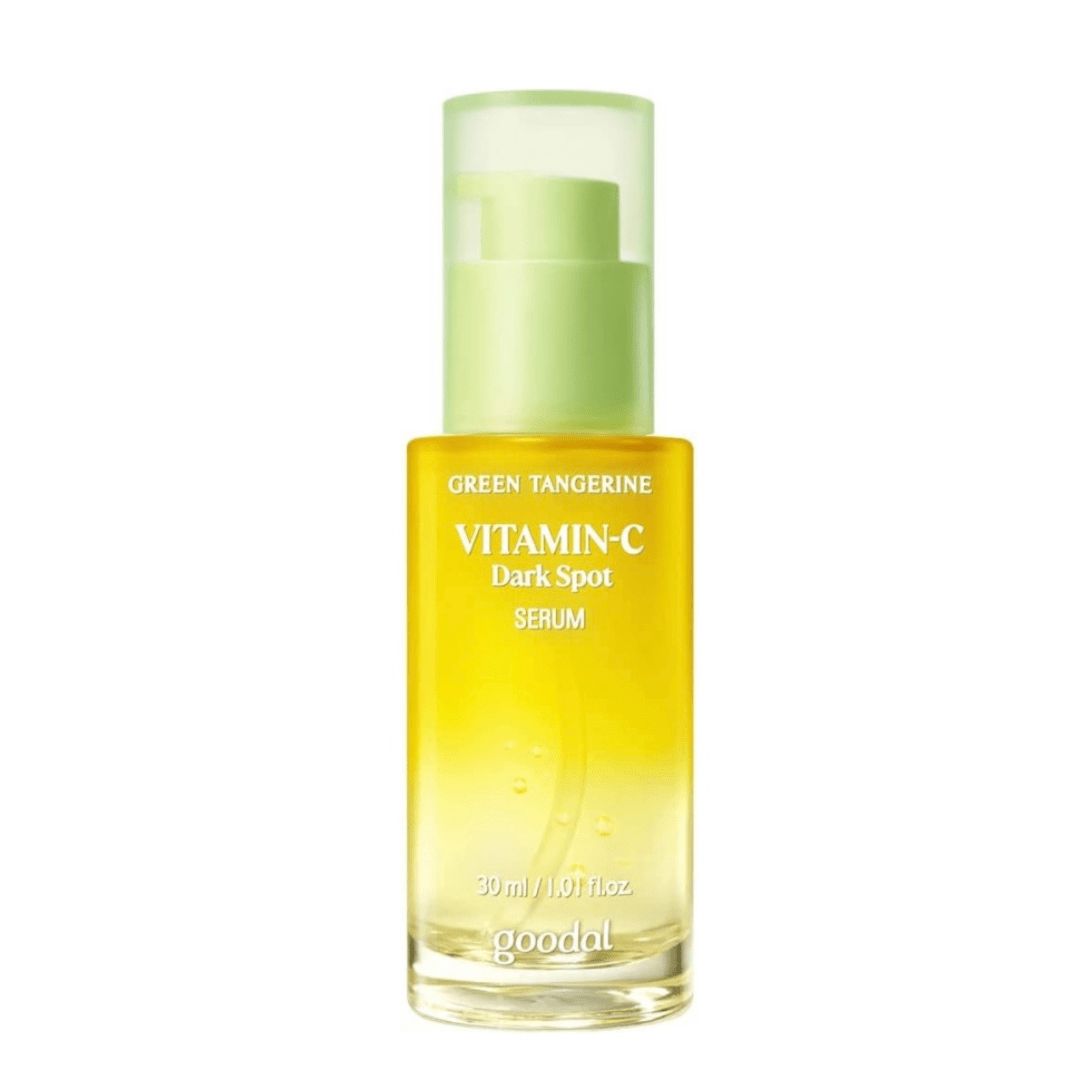
Now that we understand the routine, let’s zoom in on one of the most powerful products you can add: a Korean vitamin C serum. You might have heard of Vitamin C for your immune system, but it’s also a superhero ingredient for your skin.
But why is a Korean vitamin C serum so special? It’s because Korean beauty companies are masters at formulating stable and effective versions of Vitamin C. They also often combine it with other soothing and hydrating ingredients to make it gentle enough for daily use. Let’s break down exactly what it does.
What Does a Korean Vitamin C Serum Do?
-
Brightens and Evens Out Skin Tone: This is the most famous benefit. Vitamin C is a brilliant ingredient for fading dark spots, sun spots, and acne marks. It works by interrupting the production of melanin, which is the pigment that causes those dark spots. With consistent use, a high-quality Korean vitamin C serum can help your skin look more uniform and radiant.
-
Fights Free Radicals and Protects Your Skin: Our skin is exposed to environmental stressors every day, like pollution and UV rays. These stressors Korean vitamin C serum create unstable molecules called free radicals. Free radicals damage skin cells and speed up aging. Vitamin C is a potent antioxidant. Think of antioxidants as shields. When you apply a Korean vitamin C serum, it donates electrons to neutralize free radicals, preventing them from causing harm. This is why using a Korean vitamin C serum in the morning is a great idea—it teams up with your sunscreen to provide a powerful defense system.
-
Boosts Collagen Production: Collagen is a protein that acts like the scaffolding or framework of your skin. It’s what keeps your skin firm, plump, and youthful. As we get older, we naturally produce less collagen, leading to fine lines and wrinkles. Vitamin C is essential for your body’s production of collagen. By using a Korean vitamin C serum, you are essentially giving your skin the tools it needs to create more collagen, helping to keep your skin looking firmer for longer.
-
Helps Soothe Inflammation: While it’s a powerful active ingredient, a well-formulated Korean vitamin C serum can actually have anti-inflammatory properties. This can help reduce the redness associated with acne and may even aid in the healing process of blemishes.
How to Choose and Use a Korean Vitamin C Serum
Not all Vitamin C serums are created equal. Here’s what to look for:
-
Type of Vitamin C: The most effective form is L-ascorbic acid. However, it can be unstable and potentially irritating for some. Korean brands often use more stable derivatives like Sodium Ascorbyl Phosphate or Ethyl Ascorbic Acid. These are gentler and still very effective. When you shop for a Korean vitamin C serum, check the ingredient list to see which form is used.
-
Packaging: Vitamin C is sensitive to light and air, which can make it break down and become ineffective. A good Korean vitamin C serum will often come in a dark, opaque bottle or an airtight container to protect it.
-
Combination with Other Ingredients: Korean serums are famous for their synergistic blends. You might find a Korean vitamin C serum that also contains Hyaluronic Acid for extra hydration, Niacinamide for brightening, or Centella Asiatica for calming. This makes the product multitask and enhances its benefits.
How to Use It in Your Routine:
A Korean vitamin C serum is typically applied after your toner and essence, but before your moisturizer. This allows the active ingredients to penetrate effectively.
-
When: Most people use it Korean vitamin C serum in their morning routine to take advantage of its antioxidant protection. However, you can also use it at night. Start by using it every other day to see how your skin reacts, and then you can gradually move to daily use if your skin tolerates it well.
-
How Much: You only need a few drops! Gently pat it into your face and neck with your fingertips.
-
Patch Test: Always do a patch test when you introduce any new active product. Apply a small amount to a discreet area (like behind your ear) for a few days to ensure you don’t have a negative reaction.
Introducing a Korean vitamin C serum can be a game-changer for your skin’s brightness and overall health. It’s a perfect example of the Korean approach: using a powerful ingredient in a smart, gentle, and effective way.
Ingredient Glossary: What to Look For
Beyond Vitamin C, Korean skincare is filled with amazing natural ingredients. Here’s a quick guide to some of the most popular ones:
-
Snail Mucin: Sounds weird, works wonders! It’s fantastic for hydration and healing.
-
Centella Asiatica (Cica): A soothing ingredient that calms redness and irritated skin. Great for sensitive skin types.
-
Propolis: A resin-like material from bees. It’s antibacterial and great for healing blemishes and providing a glow.
-
Hyaluronic Acid: A hydration hero that can hold up to 1000 times its weight in water. It plumps the skin instantly.
-
Niacinamide: A form of Korean vitamin C serum Vitamin B3 that helps control oil, minimize pores, and brighten the skin.
-
Green Tea: A powerful antioxidant that soothes and protects the skin.
Common Mistakes to Avoid
Starting a new routine is exciting, but it’s easy to make mistakes. Here are a few to watch out for:
-
Introducing Too Many New Products at Once: If you buy a whole routine and start it all on the same day, you won’t know what is working—or what is causing a breakout or irritation. Add one new product at a time and wait about a week before adding another.
-
Over-Exfoliating: Exfoliation is great, but doing it too much can destroy your skin barrier. Stick to chemical exfoliants (like AHAs and BHAs) and use them Korean vitamin C serum only 1-3 times a week.
-
Skipping Sunscreen: This is the biggest mistake! All the care you put into your routine can be undone by UV damage. Sunscreen is essential.
-
Tugging at Your Skin: Be gentle! When applying products, use patting and pressing motions instead of rubbing and pulling. This is especially important for the delicate eye area.
-
Expecting Overnight Results: Remember, this is a long-term commitment. You might see some hydration quickly, but major changes can take a month or more. Be patient and consistent.
Conclusion: Skincare as Self-Care
Korean skincare is more than just a Korean vitamin C serum list of products. It’s a gentle, mindful approach to caring for your skin. It teaches us that consistency and prevention are more important than quick fixes. By focusing on hydration, protection, and being kind to your skin, you can achieve a healthy, natural glow.
The journey might involve finding a great Korean vitamin C serum to brighten your complexion, discovering the joy of a relaxing sheet mask, or simply enjoying the few minutes you take for yourself each day. It’s not about achieving perfect, poreless skin—that doesn’t exist. It’s about having the healthiest skin you can have and enjoying the process. So, start slow, listen to your skin, and have fun exploring the wonderful world of Korean beauty




Leave A Comment