
Table of Contents
TogglePEEL OFF FACE MASK
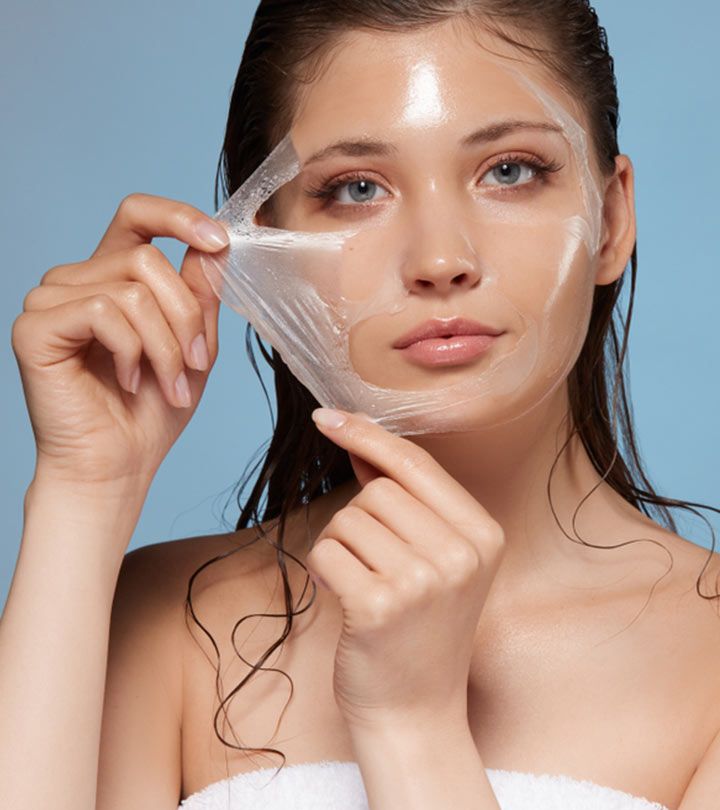
Let’s be honest. There’s something incredibly fascinating about peel-off face masks. You’ve probably seen the videos: someone with a shiny, black or sometimes colorful layer on their face waits patiently, then grabs an edge and peels it away in one satisfying, smooth sheet.
Underneath, they reveal skin that looks perfectly smooth and clean. It looks like magic, and it’s especially popular with charcoal-based masks. But what’s really going on? Are these masks a miracle worker for your skin, or is there more to the story?
This guide is your one-stop resource for everything you need to know about the charcoal peel off mask. We’ll dive deep into what they are, how they work, and whether they live up to the hype.
What is a Charcoal Peel-Off Mask, Anyway?
First, the main ingredient: Charcoal. You might associate charcoal with grilling, but the type used in skincare is very different. It’s usually called “activated charcoal.” This is a fine, black powder that has been treated with oxygen to make it extremely porous.
Think of it like a microscopic sponge with millions of tiny holes. Because of this structure, activated charcoal is brilliant at one thing: adsorption (which is different from absorption).
Adsorption means that particles, like dirt, oil, and toxins, stick to the surface of the charcoal. This is why it’s used in water filters and air purifiers—and why it’s the star ingredient in a charcoal peel off mask. The idea is that it will act like a magnet, drawing out all the impurities from your pores.
Next, the action: Peel-Off. This is what makes this type of peel off face mask so unique and satisfying. Unlike a rinse-off mask that you wash away with water, or an overnight mask that you sleep in, a peel off face mask is designed to dry on your face, forming a flexible film. Once it’s completely dry, you grab an edge and peel the entire film off your skin in one or several pieces. This physical removal process is the key to its appeal.
Finally, the form: Mask. A mask is a treatment product that you apply to your skin for a certain amount of time. It’s typically more intensive than your daily cleanser or moisturizer. The goal of any peel off face mask is to provide a deep clean and immediate results.
So, when you combine these three things, you get a charcoal peel off mask: a viscous, black liquid (often with a gel-like consistency) that you spread on your face. It dries into a tight film, and when you peel it off, the charcoal is supposed to have pulled out all the blackheads, whiteheads, and general gunk from your pores, leaving your skin refreshed. It’s a type of peel off face mask that promises a powerful and visible clean.
The Science of the Satisfying Peel: How Does It Work?
The process of using a charcoal peel off mask seems almost like a magic trick, but it’s really a simple lesson in chemistry and physics.
Step 1: The Application – A Sticky Situation
You start with a clean, dry face. Using the provided applicator or your fingers, you spread a thick, even layer of the black gel onto your skin. It’s crucial to avoid the delicate areas around your eyes, eyebrows, and lips.
The mask contains a special polymer—a type of plastic-like ingredient—that is liquid when wet but forms a solid film as it dries. This polymer is what makes any effective peel off face mask work. As you apply it, the activated charcoal particles are suspended in this liquid polymer, ready to get to work.
Step 2: The Waiting Game – Drying and Working
Now, you wait. Most masks take about 10 to 20 minutes to dry completely. You’ll feel a tightening sensation as the water in the mask evaporates.
This is the phase where the charcoal peel off mask is supposedly “working.” As the mask dries and tightens, the theory is that the adhesive force of the polymer and the adsorbent power of the charcoal combine to grip onto the debris sitting in and on top of your pores.
Step 3: The Big Reveal – The Peel
This is the moment everyone waits for. You gently grab an edge at your chin or jawline and slowly peel the mask upward against the direction of hair growth.
If applied correctly, the entire peel off face mask should come off in a few large, satisfying sheets. The mask works through mechanical action. As you peel it, the hardened polymer acts like a super-strong tape, lifting away the top layer of dead skin cells, the oxidized gunk that forms blackheads, and any other surface impurities that were stuck to the film.
The “proof” is often visible on the peeled mask—you might see tiny, spiky dots where it pulled out plugs from your pores. This visual result is a huge part of the appeal of any peel off face mask.
The Allure: Why Are Charcoal Peel-Off Masks So Popular?
There’s no denying the powerful attraction of a charcoal peel off mask. Their popularity, especially on social media platforms like Instagram and TikTok, is driven by several key factors that make this type of peel off face mask a staple in many bathrooms.
-
Instant Gratification and Visible Results: In the world of skincare, many products like serums and moisturizers take weeks or even months to show a difference. A charcoal peel off mask provides immediate, visible results.
-
Right after you peel it off, your skin often looks brighter, feels smoother, and pores can appear less noticeable. That quick transformation is highly rewarding. You see the “evidence” of the deep clean right on the peeled-off sheet of the peel off face mask. This instant payoff is a major reason people love this type of peel off face mask.
-
The “Satisfying” Factor: There’s a whole genre of online videos dedicated to the satisfying peel of a peel off face mask. The process of removing a full sheet in one piece taps into a psychological pleasure similar to popping bubble wrap.
-
It’s a unique sensory experience that you don’t get from other skincare products. The specific look of a charcoal peel off mask—the solid black layer transforming into a revealed, clean face—is particularly dramatic and shareable.
-
The Feeling of a Deep Clean: The intense tightening sensation and the physical act of peeling can make you feel like you’ve given your skin an incredibly thorough, deep-cleaning treatment. It feels like you’re literally ripping out the impurities.
-
For those with oily skin or visible blackheads, a charcoal peel off mask feels like a powerful solution to a stubborn problem. Many users report that their skin feels “squeaky clean” after using this kind of peel off face mask.
-
Perceived Pore Minimizing: While a mask can’t actually change the size of your pores (which are genetic), a charcoal peel off mask can make them look smaller temporarily.
-
By clearing out the sebum and dead skin cells that were stretching the pore open, the pore returns to its natural, less visible state. This temporary effect is another big selling point for this type of peel off face mask.
-
Accessibility and Affordability: You can find a charcoal peel off mask almost anywhere—from drugstores to high-end beauty retailers. They are generally very affordable, making them an easy, at-home alternative to expensive professional facials. Trying out a new peel off face mask is a low-cost way to feel like you’re pampering yourself.
The Other Side of the Coin: Potential Downsides and Risks
As satisfying as they can be, it’s crucial to understand the potential drawbacks of a charcoal peel off mask. Dermatologists and skincare experts often caution against overusing this type of peel off face mask for some very important reasons.
1. They Can Be Harsh and Damaging to Your Skin Barrier.
The same powerful adhesive that makes the peel so satisfying can be a problem for your skin. The peeling action is a form of intense physical exfoliation.
When you rip off the peel off face mask, it doesn’t just stick to blackheads and dirt; it also adheres to the top layer of your skin, which is made up of essential, healthy dead skin cells called the stratum corneum.
Compromise Your Skin Barrier: This can lead to increased water loss, leaving your skin dry, flaky, and sensitive.
-
Cause Irritation and Redness: The skin may look angry and feel sore after peeling, especially if you have sensitive skin.
-
Trigger Inflammation: The trauma of peeling can cause an inflammatory response, which can actually worsen conditions like acne.
2. The Risk of Broken Capillaries.
This is a significant risk, especially for those with thin, sensitive, mature, or rosacea-prone skin.
The violent pulling action required to remove a peel off face mask can damage the tiny, delicate blood vessels (capillaries) right under the surface of your skin. This can lead to permanent, spidery red lines known as broken capillaries or telangiectasia, which are very difficult to get rid of without laser treatment.
3. They Are Not a Cure-All and Can Be Misleading.
A charcoal peel off mask is primarily a surface-level treatment. It’s very good at removing the top of a blackhead (the part that has been oxidized and turned dark), but it often leaves the deeper part of the plug still embedded in the pore.
This is why blackheads often return quickly in the same spots. Furthermore, what you see on the peeled mask might not be what you think.
Those tiny spikes could be a combination of blackheads, harmless sebaceous filaments (which are a natural part of your skin and will always refill), and even fine vellus hairs (peach fuzz). Relying solely on a peel off face mask can create a cycle of dependency without solving the underlying cause of clogged pores.
4. Potential for Pain and Discomfort.
Let’s not sugarcoat it: peeling off a charcoal peel off mask can hurt. This is especially true if you have any facial hair. The adhesive bonds strongly to hair, and ripping the mask off can be a painful experience. The tightening sensation as it dries can also be uncomfortable for some people, feeling overly restrictive and stiff.
5. They Are Not Suitable for All Skin Conditions.
You should absolutely avoid using a peel off face mask if you have:
-
Active, Inflamed Acne: The mask can rip open pimples, spreading bacteria and causing more inflammation and potential scarring.
-
Sensitive Skin or Conditions like Rosacea: The harsh peeling action will almost certainly trigger flare-ups, redness, and irritation.
-
Very Dry or Eczema-Prone Skin: This type of peel off face mask will strip away what little natural oils you have, severely worsening dryness and flakiness.
How to Use a Charcoal Peel-Off Mask as Safely as Possible
If you’ve weighed the risks and still want to experience the satisfying peel, it is possible to use a charcoal peel off mask in a way that minimizes potential damage. Following these steps carefully is essential for a safer experience with any peel off face mask.
1. Perform a Patch Test.
This is a non-negotiable first step, especially if you have sensitive skin. Before applying the mask all over your face, dab a small amount on a discreet area like behind your ear or on the inside of your wrist. Leave it on for the full recommended time and peel it off. Wait 24 hours to see if you have any adverse reaction, like redness, itching, or a rash. This simple test can save you from a full-face allergic reaction or severe irritation.
2. Start with a Perfectly Clean, Dry Face.
Wash your face with a gentle cleanser and pat it completely dry. Any residual oil, moisturizer, or water will prevent the charcoal peel off mask from adhering evenly, which can lead to an incomplete peel and more irritation as you try to remove patchy bits.
3. Apply a Thick, Even Layer.
Using the provided tool or your fingers, spread a generous and uniform layer of the mask. Avoid the delicate eye area, eyebrows, lips, and the edges of your nostrils. A thick layer is important because a thin one will be difficult to peel off in one piece and will pull and tug at your skin much more. Also, make sure you are applying the peel off face mask in an environment where you can sit still and relax while it dries.
4. Do Not Exceed the Recommended Time.
Set a timer for the duration listed on the package (usually 10-20 minutes). Do not be tempted to leave the peel off face mask on for longer because you think it will work better. An over-dried mask becomes excessively hard and adhesive, making it much more difficult and damaging to remove. It can become painfully stuck to your skin.
5. The Peel is the Most Important Part: BE GENTLE!
This is where most of the damage occurs. Do not rip the mask off quickly like a bandage.
-
Start at the Bottom: Begin peeling from your chin or jawline, pulling slowly and gently upwards.
-
Peel Against the Hair Growth: This helps minimize pain and pulling on your facial hair.
-
Go Slow: If you feel resistance or pain, slow down. You can even try rolling the mask off instead of pulling it. The goal is to remove the peel off face mask, not your skin.
-
Don’t Worry About One Piece: It’s okay if it comes off in several sections. Forcing it to come off in one piece often requires more aggressive pulling.
6. Soothe and Hydrate Immediately After.
Your skin has just undergone a trauma. After peeling, rinse your face with cool water to remove any residual stickiness and to help calm the skin. Then, apply a gentle, soothing, and hydrating product. Look for ingredients like aloe vera, centella asiatica, or a simple, fragrance-free moisturizer. A hydrating serum with hyaluronic acid can also help replenish moisture. This post-mask care is a critical step that many people skip. Following up with a nourishing product after using a peel off face mask is essential for restoring your skin’s balance.
7. Mind the Frequency.
This is not a product to use every day. For most people, using a charcoal peel off mask once a week is the absolute maximum. For those with dry or sensitive skin, once every two weeks or even once a month is safer. Overuse is the fastest way to damage your skin barrier and cause long-term problems. Listen to your skin—if it feels tight, raw, or irritated after use, give it more time to recover before using the peel off face mask again.
Who Should and Should NOT Use a Peel-Off Mask?
Understanding your skin type is key to deciding if a charcoal peel off mask is a good choice for you.
A peel off face mask might be okay for (with caution):
-
Oily Skin: If your main concern is excess oil and visible blackheads, this type of peel off face mask can provide a temporary feeling of deep cleanliness. However, it must be used sparingly.
-
Resilient, Non-Sensitive Skin: If your skin is generally tough and doesn’t react easily to products, you may tolerate a peel off face mask better than others. You still must follow the safety guidelines.
You should avoid a peel off face mask if you have:
-
Sensitive Skin: This is the number one skin type that should steer clear. The risk of irritation and broken capillaries is too high.
-
Dry or Dehydrated Skin: A charcoal peel off mask will strip away essential oils, making dryness and flakiness much worse.
-
Rosacea or Eczema: The peeling action will inflame these conditions.
-
Active Acne or Inflamed Pimples: The mask can tear open lesions, spreading bacteria and causing scarring.
-
Thin, Mature Skin: As we age, our skin becomes thinner and more fragile, making it highly susceptible to damage from a peel off face mask.
-
A Lot of Facial Hair: The peeling process will be painful and could lead to ingrown hairs.
Beyond the Peel: Better Long-Term Alternatives for Healthy Skin
While a charcoal peel off mask offers a quick fix, achieving truly healthy, clear skin is a marathon, not a sprint. For a long-term strategy that doesn’t involve ripping at your skin, consider incorporating these gentler and more effective alternatives into your routine.
1. Chemical Exfoliants: The True Pore Heroes.
This is the most effective way to prevent clogged pores without physical trauma. Chemical exfoliants use acids to dissolve the “glue” that holds dead skin cells together, allowing them to shed naturally. They are far superior to the harsh physical exfoliation of a peel off face mask.
-
Salicylic Acid (a BHA): This is the gold standard for blackheads and oily skin. Because it’s oil-soluble, it can penetrate deep into pores to break up clogs from the inside out. Glycolic Acid or Lactic Acid (AHAs): These work on the skin’s surface to brighten and improve texture. They are great for overall radiance.
2. Clay Masks (Rinse-Off).
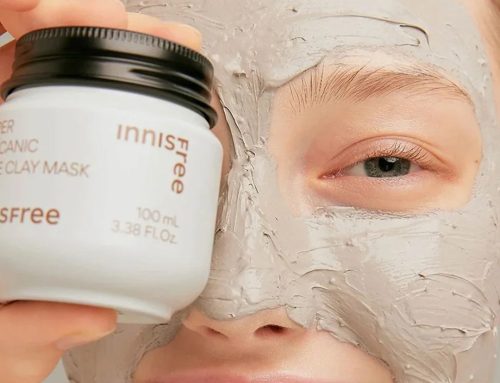
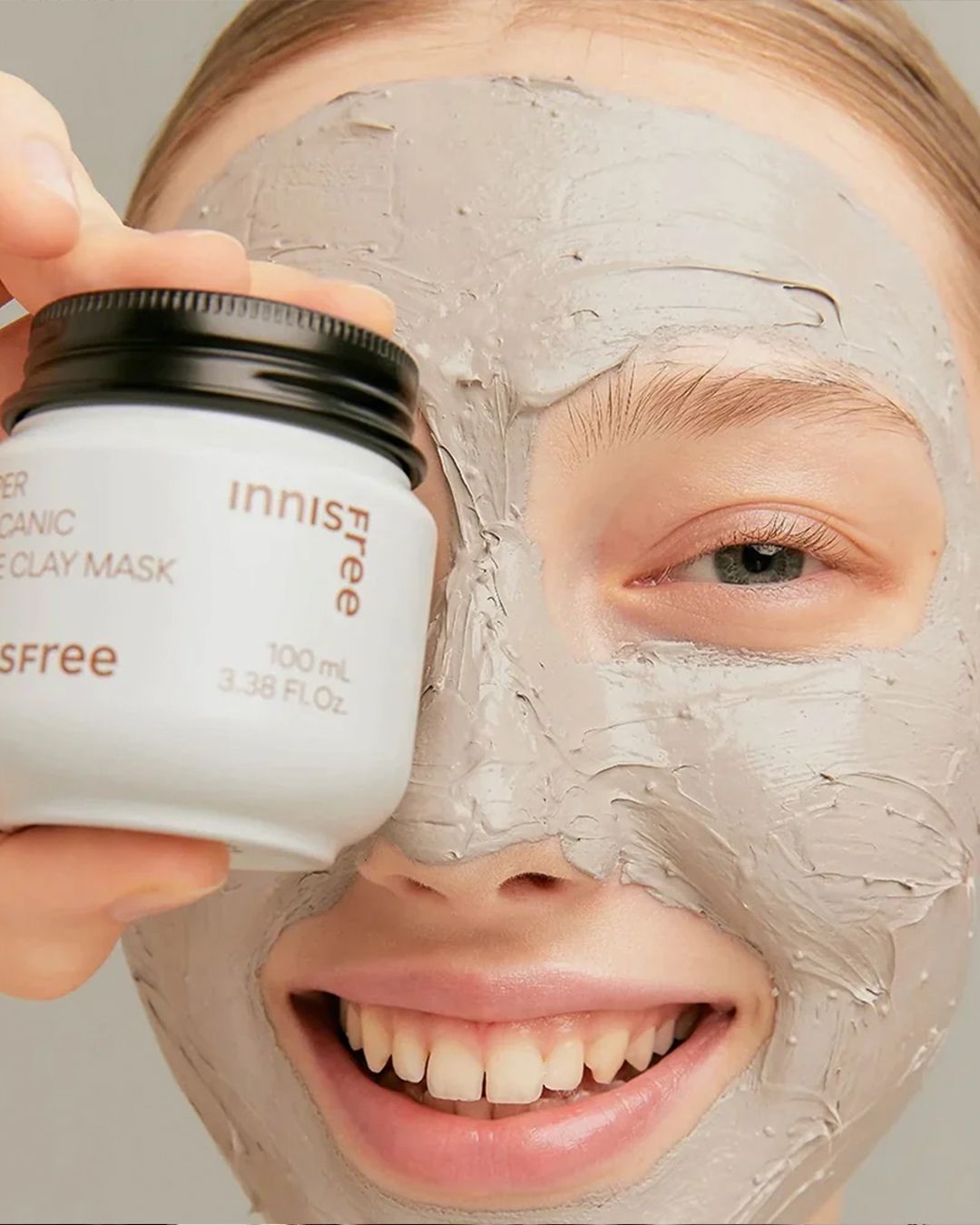
For the deep-cleaning benefits of charcoal without the damaging peel, opt for a traditional rinse-off clay mask. A kaolin or bentonite clay mask with activated charcoal will draw out impurities and absorb excess oil through absorption, not adhesion. You simply apply it, let it dry, and wash it off with warm water. It’s a much gentler way to achieve a deep clean than a peel off face mask.
3. Retinoids.
Products containing retinol or prescription retinoids (like tretinoin) are the most powerful and proven way to keep pores clear. They work by speeding up skin cell turnover, preventing dead cells from clumping together and clogging pores. This is a long-term solution that actually changes your skin’s behavior, unlike the temporary fix of a peel off face mask.
4. Consistent, Gentle Cleansing.
Washing your face twice a day with a gentle cleanser is the foundation of good skincare. It consistently removes oil and dirt before they have a chance to become a problem. An oil-based cleanser used as a first step can be particularly effective at dissolving pore-clogging sebum.
5. Professional Extractions.
If you are serious about clearing blackheads, see a licensed esthetician for a professional facial with extractions. They use sterile tools and proper technique to safely clear your pores without the damage associated with a DIY peel off face mask or, even worse, picking at your skin.
The Final Verdict: Is a Charcoal Peel-Off Mask Right for You?
So, where does that leave us with the charcoal peel off mask?
The truth is, it’s a product of extremes. It offers an unmatched sensory experience and instant, visible results that can be very appealing. The satisfying peel of a peel off face mask is a unique part of the skincare world.
However, the potential for skin damage is real and significant. The harsh, physical action of peeling can compromise your skin barrier, cause irritation, and even lead to permanent broken capillaries. It is, at best, a temporary cosmetic fix that does not address the root cause of clogged pores.
The bottom line: Think of a charcoal peel off mask as a occasional treat, like a decadent dessert. It’s okay for a special occasion when you want that immediate glow and satisfying feeling. But it should not be the cornerstone of your skincare routine. Using a peel off face mask more than once a week is likely to do more harm than good.
For healthy skin in the long run, a consistent routine built on gentle cleansing, effective chemical exfoliation, and proper hydration will yield far better results than any quick, sticky fix. Your skin is a living organ, not a surface to be stripped clean. Treat it with care, and it will thank you for years to come. While the appeal of the peel off face mask is understandable, true skincare is about nurturing, not ripping.




Leave A Comment