
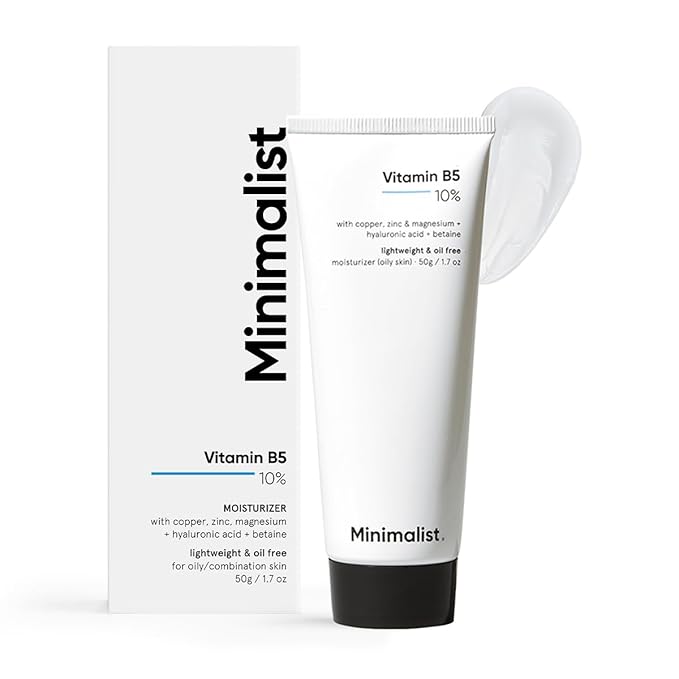
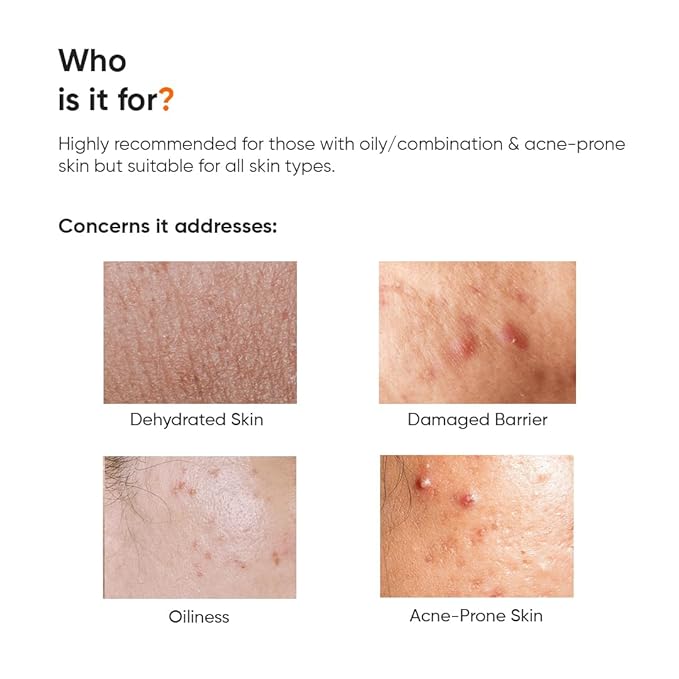
- Nourishes skin and reduces trans epidermal water loss
Minimalist Dehydrated Oily Skin Moisturizer with 10% Vitamin B5
₹349.00 Original price was: ₹349.00.₹328.00Current price is: ₹328.00.
Category: moisturizer
Description
The Definitive Treatise on the Oily Skin Moisturizer: Deconstructing the Science of Balanced, Nourished, and Truly Hydrated Skin
Introduction: The Paradigm Shift in Skin Care for Oily Complexions
For decades, the prevailing wisdom for those with oily skin was a regimen of harsh, stripping cleansers and a steadfast avoidance of any product labeled a moisturizer.
The very notion of applying a cream or lotion to skin that already exhibited a visible sheen was counterintuitive, a perceived fast track to exacerbated shine, clogged pores, and a compromised complexion.
This approach, however, was fundamentally flawed, rooted in a misunderstanding of skin physiology and ultimately creating a vicious cycle of over-production, dehydration, and damage.
The modern, scientifically-grounded era of dermatology has ushered in a revolutionary concept: the non-negotiable necessity of a specialized oily skin moisturizer.
This is not merely a product; it is a cornerstone of a holistic strategy designed to nurture the skin barrier, regulate sebum output, and achieve a state of healthy, radiant equilibrium.
This extensive discourse aims to dismantle antiquated myths and provide a deep, evidence-based exploration into the multifaceted role of a meticulously formulated oily skin moisturizer.
We will dissect how such a product transcends its basic function to become an active agent of change—nourishing the skin at a cellular level, drastically reducing trans-epidermal water loss (TEWL), delivering profound hydration without a trace of heaviness, initiating healing processes for compromised skin, and exerting intelligent control over sebum production.
The central thesis is that the correct oily skin moisturizer is the most critical tool in recalibrating oily skin from a persistent concern into a testament of vitality and health.
Section 1: The Anatomy of Oily Skin – Understanding the Sebaceous Engine
To appreciate the transformative power of a dedicated oily skin moisturizer, one must first understand the underlying mechanisms of oily skin itself.
1.1 The Role of Sebum: Not an Inherent Villain
Sebum, the complex oil secreted by the sebaceous glands, is not the enemy. It is a vital component of the skin’s ecosystem, a natural lubricant composed of triglycerides, wax esters, squalene, and cholesterol esters. Its primary functions are:
-
Barrier Protection: It forms a key part of the skin’s acid mantle, a hydrophobic film that protects against microbial invasion and environmental pathogens.
-
Waterproofing: It helps to prevent the evaporation of water from the skin’s surface, thus playing a role in maintaining hydration.
-
Antioxidant Delivery: Squalene, in particular, has inherent antioxidant properties, helping to neutralize free radicals generated by UV exposure.
The problem arises not from the existence of sebum, but from its overproduction—a condition known as seborrhea.
1.2 The Drivers of Excess Sebum Production
Hyperactive sebaceous glands can be influenced by a multitude of factors:
-
Genetics: Predisposition is often hereditary.
-
Hormones: Androgens, such as testosterone, are potent stimulators of sebum production. This explains why oiliness often peaks during puberty, menstrual cycles, and can be affected by conditions like polycystic ovary syndrome (PCOS).
-
Environmental Factors: Humidity and heat can stimulate increased sebum output.
-
Incorrect Skincare: The use of harsh, alkaline cleansers and astringents that strip the skin of all its natural oils sends a panic signal to the brain.
-
Interpreting this as a significant loss of protective lipids, the brain instructs the sebaceous glands to go into overdrive to compensate, thereby producing even more oil.
-
This is the infamous “rebound effect” that makes skipping a proper oily skin moisturizer so detrimental.
1.3 The Dehydration Paradox: Oily Yet Thirsty
A crucial and often overlooked characteristic of oily skin is that it can be simultaneously oily and dehydrated. Dehydration refers to a lack of water in the skin, not oil.
The impaired skin barrier common in over-cleansed oily skin is leaky, allowing water to escape easily (high TEWL). The surface may be greasy, but the underlying skin cells are parched, leading to tightness, dullness, and even an increase in the appearance of fine lines.
This paradox highlights the absolute critical need for a oily skin moisturizer designed to plug these leaks and quench the skin’s thirst without adding excess grease.
Section 2: The Pillars of Formulation – What Defines a True Oily Skin Moisturizer
Not all moisturizers are created equal. The architecture of a product worthy of the title oily skin moisturizer is a precise science, balancing specific functional categories of ingredients.
2.1 Humectants: The Hydration Magnets
The first line of defense against dehydration, humectants are hygroscopic molecules that attract and bind water from the dermis and, in humid conditions, from the environment. A superior oily skin moisturizer will be rich in next-generation humectants that are lightweight and non-sticky.
-
Hyaluronic Acid (HA): A superstar ingredient, one gram of HA can hold up to six liters of water. For a oily skin moisturizer, low-, medium-, and high-molecular-weight forms are often combined to provide multi-depth hydration, surface-to-dermis.
-
Glycerin: A time-tested, exceptional humectant that is hygroscopic, affordable, and well-tolerated. It is a foundational element in most effective moisturizers.
-
Beta-Glucan: Derived from oats or yeast, this powerful humectant not only pulls in moisture but also boasts significant anti-inflammatory and soothing properties, making it ideal for a healing-focused oily skin moisturizer.
-
Sodium PCA & Amino Acids: Natural components of the skin’s Natural Moisturizing Factor (NMF), they are superb at enhancing the skin’s own water-binding capabilities.
2.2 Emollients: The Barrier Soothers
Emollients are lipids and oils that fill the gaps between corneocytes (skin cells) in the stratum corneum, smoothing the skin’s surface and replenishing lipids.
The key for a oily skin moisturizer is the selection of non-comedogenic (won’t clog pores), fast-absorbing emollients that mimic the skin’s natural composition without feeling heavy.
-
Squalane (not Squalene): A hydrogenated derivative of squalene, it is incredibly lightweight, biocompatible, and excellent at restoring lipid balance without exacerbating oiliness. It is a hallmark of a high-quality oily skin moisturizer.
-
Caprylic/Capric Triglyceride: Derived from coconut oil, this light emollient provides slip and moisture without a greasy residue.
-
Diisopropyl Sebacate, Cetearyl Ethylhexanoate: These are esters that provide a silky, dry-finish feel, essential for the sensory experience of a good oily skin moisturizer.
-
Ceramides: While technically lipids, ceramides deserve their own category. They are the fundamental “mortar” that holds the skin’s “brick” cells together.
-
A oily skin moisturizer fortified with ceramides actively repairs the compromised barrier, which is the root cause of TEWL and inflammation.
2.3 Occlusives: The TEWL Guardians
Occlusives are ingredients that form a protective, hydrophobic film on the skin’s surface, physically preventing water from evaporating. In a oily skin moisturizer, these must be used judiciously and selected for their breathability.
-
Dimethicone/Cyclomethicone: These silicones are non-comedogenic, inert, and provide an exceptional protective barrier against TEWL. They impart a velvety, matte finish that is immediately gratifying for oily skin types. They are workhorses in modern cosmetic formulations.
-
Niacinamide: Though not a traditional occlusive, this multi-tasking vitamin B3 derivative strengthens the barrier function, effectively reducing TEWL from within. Its inclusion is non-negotiable for a modern oily skin moisturizer.
-
Lightweight Plant Butters/Oils: Such as shea butter (in controlled amounts) or jojoba oil, which is remarkably similar to human sebum and can help “trick” the skin into believing it has produced enough oil, thus signaling a reduction in production.
2.4 Active Additives: The Performance Enhancers
Beyond basic moisturization, a truly advanced oily skin moisturizer will incorporate actives that directly target the concerns of oiliness, inflammation, and damage.
-
Niacinamide (Again): Its importance cannot be overstated. It regulates sebum production, minimizes pore appearance, reduces redness, and brightens the skin. It is the quintessential active for a sebum-controlling oily skin moisturizer.
-
Alpha-Hydroxy Acids (AHAs) & Polyhydroxy Acids (PHAs): Low concentrations of lactic acid, mandelic acid, or gluconolactone provide gentle exfoliation, dislodging pore-clogging debris, smoothing texture, and enhancing the penetration of other beneficial ingredients. A oily skin moisturizer with PHAs is particularly gentle and hydrating.
-
Retinoids (Encapsulated): Some advanced formulations may include low-dose, encapsulated retinol or its derivatives to promote cellular turnover and prevent comedones, but this requires careful formulation to avoid irritation.
-
Botanical Extracts: Tea tree, centella asiatica (cica), willow bark, and green tea extract offer anti-inflammatory, antioxidant, and mild antiseborrheic properties, supporting the healing and calming functions of the oily skin moisturizer.
Section 3: The Core Benefits Deconstructed – How an Oily Skin Moisturizer Works
3.1 Nourishment: Beyond Surface-Level Feeding
Nourishment in the context of a oily skin moisturizer is not about adding richness; it is about providing the essential building blocks the skin needs to function optimally. A compromised barrier is a malnourished barrier.
It lacks ceramides, cholesterol, and fatty acids. A well-formulated oily skin moisturizer directly addresses this deficit. By delivering these lipids, along with amino acids and antioxidants, it feeds the skin’s natural repair systems.
This cellular nourishment enhances vitality from within, leading to a more resilient, plump, and radiant complexion that is better equipped to handle internal and external stressors. The act of applying this specific oily skin moisturizer becomes a daily ritual of replenishment, ensuring the skin’s health is constantly supported.
3.2 The Science of Reducing Trans-Epidermal Water Loss (TEWL)
TEWL is a key objective measure of skin barrier health. A high TEWL rate indicates a “leaky” barrier, where water escapes freely into the environment, leading to dehydration.
The primary mission of any moisturizer, and the central triumph of a specialized oily skin moisturizer, is to drastically reduce TEWL. It achieves this through a multi-pronged approach:
-
Humectant Hydration: It first pulls water into the stratum corneum, rehydrating the parched cells.
-
Emollient Repair: It then smooths and fills the cracks between these cells, patching up the physical gaps through which water escapes.
-
Occlusive Sealing: Finally, it lays down a microscopic, breathable film (e.g., dimethicone) that acts as a lid, dramatically slowing evaporation.
-
This triple-action mechanism ensures that the hydration delivered by the oily skin moisturizer and the skin’s own water content are locked in, maintaining optimal hydration levels throughout the day and reinforcing the barrier with every application.
3.3 Moisturization & Hydration Without the Oily Feel: The Sensory Revolution
The fear of a heavy, greasy, pore-clogging finish is what has historically kept those with oily skin away from moisturizers. The modern oily skin moisturizer is engineered specifically to obliterate this concern.
The careful selection of non-comedogenic, low-weight ingredients like squalane, certain silicones, and light esters ensures rapid absorption. The formulator’s art is in creating a texture—be it a gel, gel-cream, or ultra-light lotion—that disappears into the skin. The finish is velvety, matte, and primed, not slick or shiny.
This sensory experience is paramount; it provides immediate psychological and tactile confirmation that this oily skin moisturizer is different, that it is an ally, not an adversary.
It delivers deep hydration where it’s needed (in the lower layers of the epidermis) without depositing a burdensome layer of oil on the surface.
3.4 Healing the Skin: Addressing Damage and Inflammation
Oily skin is often accompanied by subclinical inflammation, redness, and damage from acne lesions and picking. A oily skin moisturizer can be a potent healing agent.
Ingredients like niacinamide calm inflammation and reduce redness. Ceramides and peptides actively repair the damaged barrier, making the skin less susceptible to irritants and pathogens.
Soothing agents like allantoin, panthenol (Vitamin B5), and beta-glucan accelerate wound healing, reduce irritation, and provide comfort to angry, sensitized skin.
By fortifying the barrier, the oily skin moisturizer also prevents future damage, creating a positive feedback loop of strengthening and protection.
This transforms the product from a passive cream into an active participant in the skin’s recovery and maintenance processes.
3.5 Controlling Sebum: The Intelligent Approach
The most sophisticated function of a modern oily skin moisturizer is its role in sebum regulation. It does not achieve this by blocking pores or using harsh, drying agents. Instead, it employs intelligent biochemistry:
-
Barrier Repair: As discussed, a healthy, hydrated barrier negates the need for the sebaceous glands to overcompensate. By ending the rebound effect, the oily skin moisturizer allows sebum production to normalize naturally over time.
-
Niacinamide: Clinical studies have consistently shown that topical application of niacinamide can significantly reduce sebum excretion rates. It is a physiological regulator.
-
Jojoba Oil Mimicry: The theory that jojoba oil, being similar to sebum, can “trick” the skin into believing it has produced enough oil, thus downregulating production, is popular and anecdotally supported.
-
Mattifying Agents: While not affecting production per se, ingredients like silica, certain clays, or polymers provide immediate optical blurring and absorb excess oil on the surface, giving the visual impression of control while the active ingredients work on the underlying cause. A great oily skin moisturizer will often combine these instant effects with long-term regulatory actives.
Section 4: Integration into a Holistic Routine – The Oily Skin Moisturizer in Context
A oily skin moisturizer cannot work in isolation. Its efficacy is maximized when integrated into a coherent skincare regimen.
-
Cleansing: Must be done with a gentle, pH-balanced, non-stripping cleanser. This prepares the canvas without triggering the rebound effect.
-
Treatment Serums: A water-based serum containing salicylic acid (BHA), niacinamide, or antioxidants can be applied before the oily skin moisturizer to address specific concerns like clogged pores and pigmentation.
-
Sunscreen: The final, non-negotiable step. A mattifying, non-comedogenic sunscreen is essential to protect the skin from UV-induced damage and inflammation, which can worsen oiliness. The right oily skin moisturizer often serves as an excellent primer under sunscreen.
Conclusion: Redefining the Relationship with Oil
The journey to managing oily skin is not one of eradication, but of balance. It requires respect for the skin’s natural processes and an understanding that deprivation leads only to dysfunction.
The specialized oily skin moisturizer is the embodiment of this new philosophy. It is a sophisticated, scientifically-engineered solution that nourishes the skin’s foundation, constructs an impermeable defense against water loss, delivers weightless hydration, initiates repair, and intelligently modulates sebum activity.
It is the product that finally allows individuals with oily skin to break free from the cycle of stripping and over-production, guiding them toward a future of calm, clarity, and healthy, hydrated resilience.
The consistent, daily use of the right oily skin moisturizer is, therefore, the most profound act of care one can offer their skin, transforming it from a source of frustration into a canvas of vitality and strength.
The oily skin moisturizer is not just a product; it is the key to unlocking a balanced, healthy, and truly radiant complexion.
The fear of a heavy, greasy, pore-clogging finish is what has historically kept those with oily skin away from moisturizers. The modern oily skin moisturizer is engineered specifically to obliterate this concern.
The careful selection of non-comedogenic, low-weight ingredients like squalane, certain silicones, and light esters ensures rapid absorption. The formulator’s art is in creating a texture—be it a gel, gel-cream, or ultra-light lotion—that disappears into the skin. The finish is velvety, matte, and primed, not slick or shiny.
This sensory experience is paramount; it provides immediate psychological and tactile confirmation that this oily skin moisturizer is different, that it is an ally, not an adversary.
It delivers deep hydration where it’s needed (in the lower layers of the epidermis) without depositing a burdensome layer of oil on the surface.
The fear of a heavy, greasy, pore-clogging finish is what has historically kept those with oily skin away from moisturizers. The modern oily skin moisturizer is engineered specifically to obliterate this concern.
Be the first to review “Minimalist Dehydrated Oily Skin Moisturizer with 10% Vitamin B5” Cancel reply
Related products
-
Sale!
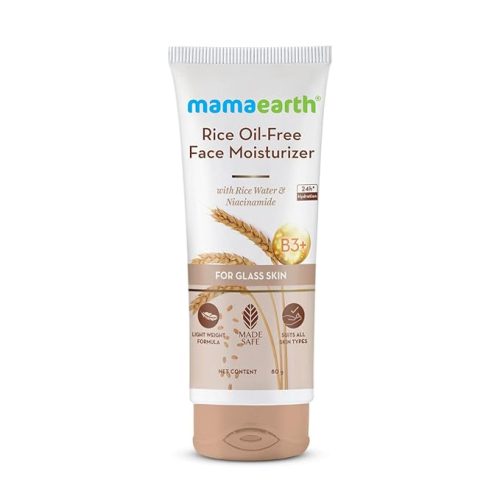
Mamaearth Rice Oil-Free Face Rice Water Moisturizer
₹319.00Original price was: ₹319.00.₹227.00Current price is: ₹227.00.
Reviews
There are no reviews yet.