
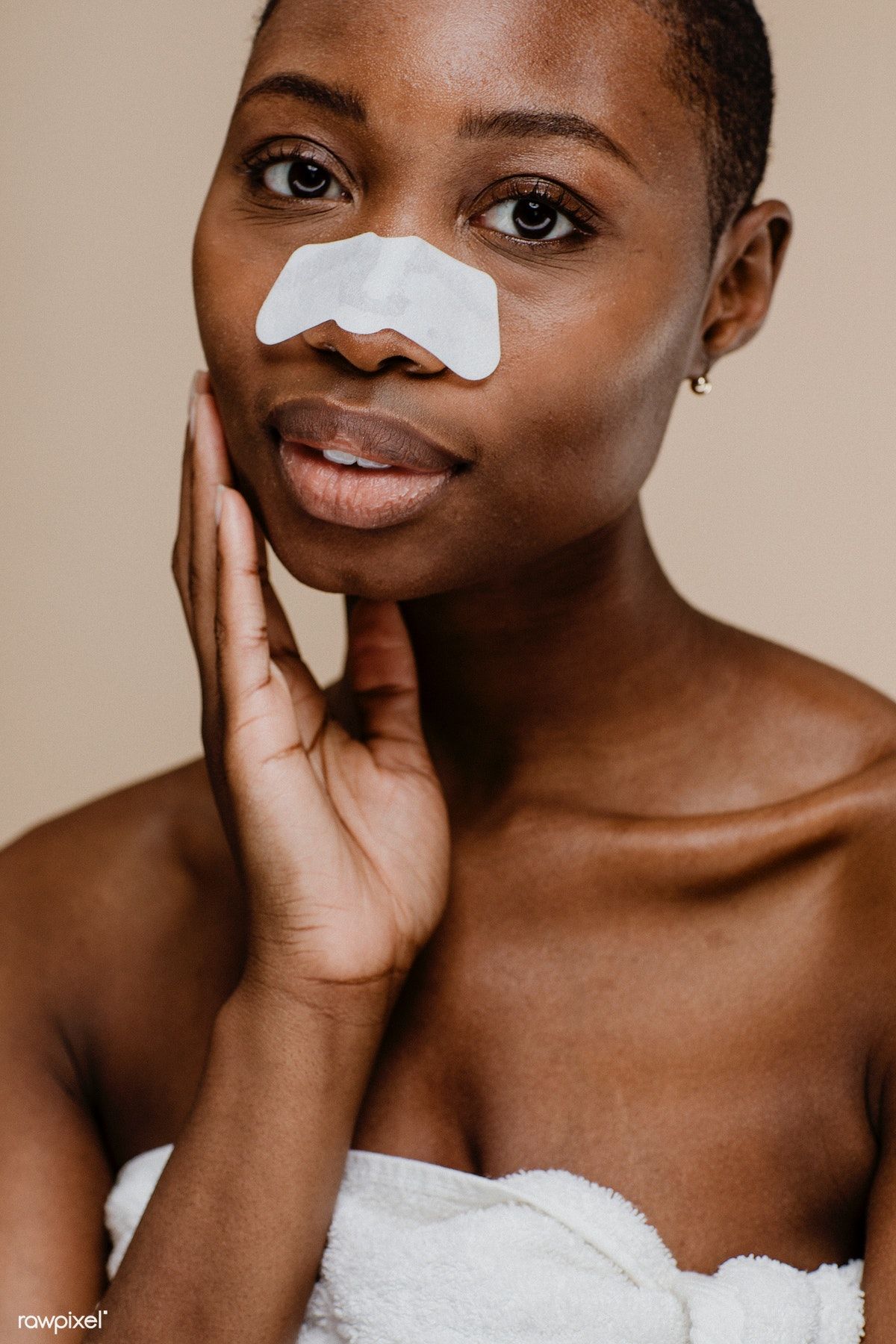
BLACKHEAD NOSE STRIPS
Let’s be real. Staring in the mirror, you see them. They seem to appear out of nowhere and are incredibly stubborn. If you’ve searched for a solution, you’ve definitely heard about a quick and popular fix: those little sticky patches you wet and blackhead nose strips plaster on your face. We’re talking, of course, about blackhead removal strips.
A person smoothly applies a strip, waits, and then—peel!—a forest of gunk is magically lifted away, revealing perfectly blackhead nose strips smooth skin. It looks so satisfying. But is it really that simple? And more importantly, is it good for your skin? This complete guide will answer all your questions about pore strips, nose strips, and biore strips.
This guide is going to dive deep into the world of blackhead nose strips. We’ll explore what they are, how they work, the science behind the satisfying peel, and whether blackhead nose strips they’re actually a good long-term solution for your skin. Get ready to become an expert on one of the most popular—and debated—skincare products out there. We will cover how to use pore strips, the best blackhead strips, and even DIY blackhead removal alternatives. Let’s get started on your journey to clearer skin and finding the best skincare for blackheads.
Table of Contents
ToggleWhat Exactly Are Blackheads, Anyway?
Before we can understand the strips, we need to understand what we’re fighting. A common myth is that blackheads are dirt. Repeat that to yourself: blackheads are blackhead nose strips not dirt.
Sebum is actually a good thing! It helps keep our skin soft, hydrated, and waterproof. But sometimes, things get a little out of balance, leading to common skin concerns like clogged pores.
Sometimes, the glands produce too much oil, a condition known as oily skin. This can be caused by hormones, genetics, or even the products you use. This mixture of extra oil and dead skin cells clogs the pore, blackhead nose strips creating a small bump called a comedo (that’s the scientific name for this type of pore clog).
If the clogged pore stays closed and covered by a layer blackhead nose strips of skin, it looks like a tiny white or flesh-colored bump. We call that a whitehead. But if the pore is open, the gunk inside is exposed to the air. That, my friend, is a true blackhead.
This is why you can’t just wash them away with a regular face wash. This leads us to the promise of a quick solution: the blackhead strip. Understanding the difference between blackheads, whiteheads, and a similar-looking thing called sebaceous filaments is key to choosing the right acne treatment or pore cleanser.
The Magic Revealed: How Do Blackhead Removal Strips Work?
The process seems like magic, but it’s really just basic chemistry and physics. Let’s break down what’s happening step-by-step when you use one of those blackhead nose strips. This is the core of how pore strips work and the secret behind that satisfying peel.
Step 1: Preparation (The Wet Part)
You start by washing your face with a gentle facial cleanser. This removes surface dirt, makeup, and excess oils, creating a clean canvas. This step is crucial. The water helps activate the adhesive on the strip, turning blackhead nose strips it into a powerful glue. Some people like to steam face beforehand or use a warm towel to open pores, which can help soften the plugs.
Step 2: Application (The Sticky Part)
You press the strip firmly onto your damp skin, smoothing it out so it has good contact with every single blackhead and the pores on nose. The strip itself is made of a flexible material, like cloth or paper, blackhead nose strips coated with a powerful, water-activated adhesive.
Step 3: The Wait (The Boring Part)
You have to sit still for 10-15 minutes while the strip dries blackhead nose strips and hardens. This creates a strong mechanical bond, which is different from a chemical peel or a charcoal mask that works by absorption.
Step 4: The Big Reveal (The Satisfying Part)
This is the moment of truth. You grab an edge and quickly peel the strip off in one swift motion. This process is a form of physical exfoliation and pore extraction.
The result? You see all those tiny, dark spikes on the used strip. It’s the “proof” that it worked. It’s incredibly gross and satisfying at the same time, a phenomenon often called pore porn or satisfying blackhead removal. This is the main appeal of using blackhead removal strips—that instant, visible result that you can see on the used blackhead nose strip.
The Pros: Why Are These Strips So Popular?
There’s no denying the appeal. Here’s why people love them and why they are often considered a best blackhead remover for quick fixes:
-
Instant Gratification: In a world where most acne skincare takes weeks or months to show results, a strip gives you a clear outcome in 15 minutes. This makes them great for a quick skincare fix before a big event.
-
They Are Inexpensive and Accessible: Compared to expensive facial treatments, dermatologist visits, or high-end skincare tools, a box of drugstore pore strips from brands like Biore, Hero, or Sephora is very affordable. You can find them easily at any drugstore skincare aisle or on Amazon skincare.
-
Easy to Use and Convenient: The instructions are simple: wet, stick, wait, peel. It’s a straightforward at-home beauty treatment that requires no expertise, making it a popular choice for teen skincare and beginner skincare routines.
-
The “Gross-But-Cool” Factor: Let’s be honest, there’s something fascinating blackhead nose strips about seeing all the stuff that was clogging your pores. It feels like a deep pore cleanse and provides a sense of accomplishment. This is a major driver behind skincare trends on social media.
-
Targeted Treatment: They are designed for specific areas like the T-zone (nose, chin, forehead), which are most prone to oiliness and blackheads. You can get nose strips for blackheads, chin strips, and even forehead strips.
For a quick fix, it’s easy to see why blackhead nose strips have become a bathroom cabinet staple for so many looking for oily skin solutions and pore minimizing tricks.
The Cons: The Not-So-Pretty Side of the Peel
Now for the reality check. While the immediate results can be impressive, dermatologists and skincare experts point out several potential problems and side effects of pore strips. It’s important to know the dangers of pore strips before you use them.
1. They Only Remove the Top of the Problem.
Remember our blackhead diagram? A blackhead nose strips is like an iceberg. What you see on the surface is only a small part of it. The strip is great at pulling off that dark top, but it often leaves the deeper part of the blackhead nose strips plug still inside the pore. It’s a temporary blackhead solution, not a cure. For a long-term blackhead solution, you need different strategies.
2. They Can Be Harsh and Damaging to Your Skin.
That powerful adhesive blackhead nose strips isn’t picky.
-
Cause Irritation and Redness: Your skin might look angry, feel sore, and become inflamed for a while after peeling. This is especially true for those with sensitive skin or conditions like rosacea.
-
Damage Your Skin Barrier: The top layer of your skin, the stratum corneum, is a protective barrier. Tearing at it with strong glue can weaken this barrier, leading to transepidermal water loss (TEWL), making your skin more vulnerable to dryness, sensitivity, infection, and skin damage.
-
Break Tiny Blood Vessels: For people with sensitive, thin, or mature skin, the violent pulling motion can cause broken capillaries (telangiectasia). These are tiny, spidery red lines that can be permanent and require laser treatment to remove.
3. They Don’t Work for Everyone or Every Skin Issue.
Blackhead removal strips are designed for one specific type blackhead nose strips of pore issue: blackheads. They are generally ineffective on:
-
Whiteheads: Since whiteheads are covered by a thin layer of skin, the adhesive can’t reach the plug.
-
Large Pores: Strips can’t change the size blackhead nose strips or shrink your pores. Pore size is largely genetic.
-
Cystic Acne or Pimples: They are completely useless for deep, painful bumps and can make inflammation worse.
4. The Risk of a Rebound Effect.
Sometimes, after the strip removes the plug, the pore can be left gaping, stretched, and irritated. Your body might react by producing even more oil to protect the area, which can lead to the blackhead nose strips pore becoming clogged again even faster than before.
5. Potential for Allergic Reaction.
The adhesives and other ingredients blackhead nose strips in strips (like fragrance, alcohol, or essential oils) can cause contact dermatitis or an allergic reaction in some individuals, leading to itching, swelling, or a rash.
How to Use a Blackhead Nose Strip Safely (If You Choose To)
If you’ve read the warnings and still want to give it a try for that instant result, doing it correctly is key to minimizing damage. Here’s a safer, step-by-step guide on how to use pore strips correctly and safely blackhead extraction at home.
-
Do a Patch Test First. Before slapping a strip on your nose, test the adhesive on a small, less visible area of skin (like behind your ear or on the inside of your wrist) for 10-15 minutes. This checks to make sure you don’t have a bad blackhead nose strips reaction or allergy to the ingredients.
-
Clean Your Face Thoroughly. Use a gentle, oil-free cleanser and warm (not hot) water. This will remove surface debris and ensure the strip makes direct contact with the blackheads. Double cleansing can be especially effective.
-
Steam Your Face (Optional but Helpful). For an even deeper clean, you can steam your face for 5-10 minutes after washing. Simply lean over a bowl of blackhead nose strips hot water with a towel over your head. The steam helps open pores and loosen the plugs, making them easier to extract.
-
Peel Gently and Slowly. This is the most important step. Do not rip it off like a bandage! If you feel a lot of resistance or pain, slow down or stop. A gentle peel is crucial for preventing skin irritation.
-
Soothe and Hydrate Your Skin Afterwards. After peeling, your pores are open and your skin is vulnerable. Rinse the area with cool water to help close pores and soothe the skin. Then, apply a gentle, alcohol-free, soothing product like aloe vera gel, centella asiatica, or a simple, fragrance-free moisturizer to calm any redness and restore your skin barrier. A hydrating serum with hyaluronic acid can also be beneficial.
-
Follow with Sunscreen. The next morning, always apply a broad-spectrum sunscreen.
Crucial Rules for Frequency:
-
Do not use these strips more than once a week.
-
Never use them on broken skin, active acne, or irritated areas.
-
If you are using prescription retinoids (like tretinoin) or strong chemical exfoliants, avoid pore strips altogether, as your skin is already more sensitive.
What Are the Better, Long-Term Alternatives to Strips?
If you’re looking for a way to manage blackheads that doesn’t involve ripping at your skin, you’re in luck. There are much more effective and gentler strategies for blackhead prevention. This is the core of a good skincare routine for blackheads.
1. Consistent and Gentle Cleansing: Wash your face twice a day (morning and night) with a gentle, pH-balanced cleanser. This consistently removes excess oil and dead skin cells before they have a chance to clog a pore. Look for cleansers with ingredients like salicylic acid (a BHA), which can help clean inside pores, or niacinamide, which helps regulate oil production.
2. Chemical Exfoliation is the Superstar: This is blackhead nose strips the most important step for preventing blackheads. Exfoliating means removing dead skin cells. While physical exfoliants (scrubs) can work, they can be harsh. Chemical exfoliants are often gentler and more effective. Salicylic Acid (BHA): The gold standard for blackheads. Because it’s oil-soluble, it can penetrate deep into pores to break up clogs from the inside out. It’s anti-inflammatory and excellent for oily and acne-prone skin. Find it in toners, serums, and spot treatments.
-
Paula’s Choice 2% BHA Liquid Exfoliant is a famous and highly recommended product for this purpose.
3. Retinoids: These are vitamin A derivatives and are considered the most effective long-term solution for unclogging pores. They speed up skin cell turnover, meaning your skin sheds dead cells more efficiently so they don’t build up. You can find milder forms, like adapalene (Differin), over-the-counter. Prescription strength retinoids like tretinoin are even more powerful.
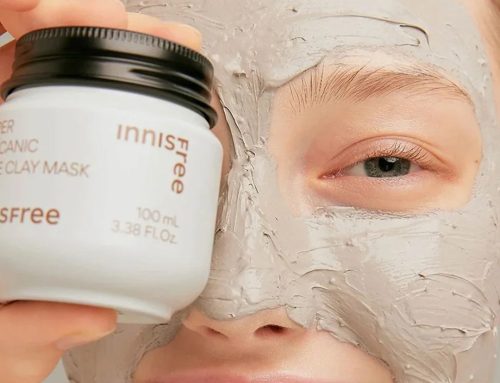
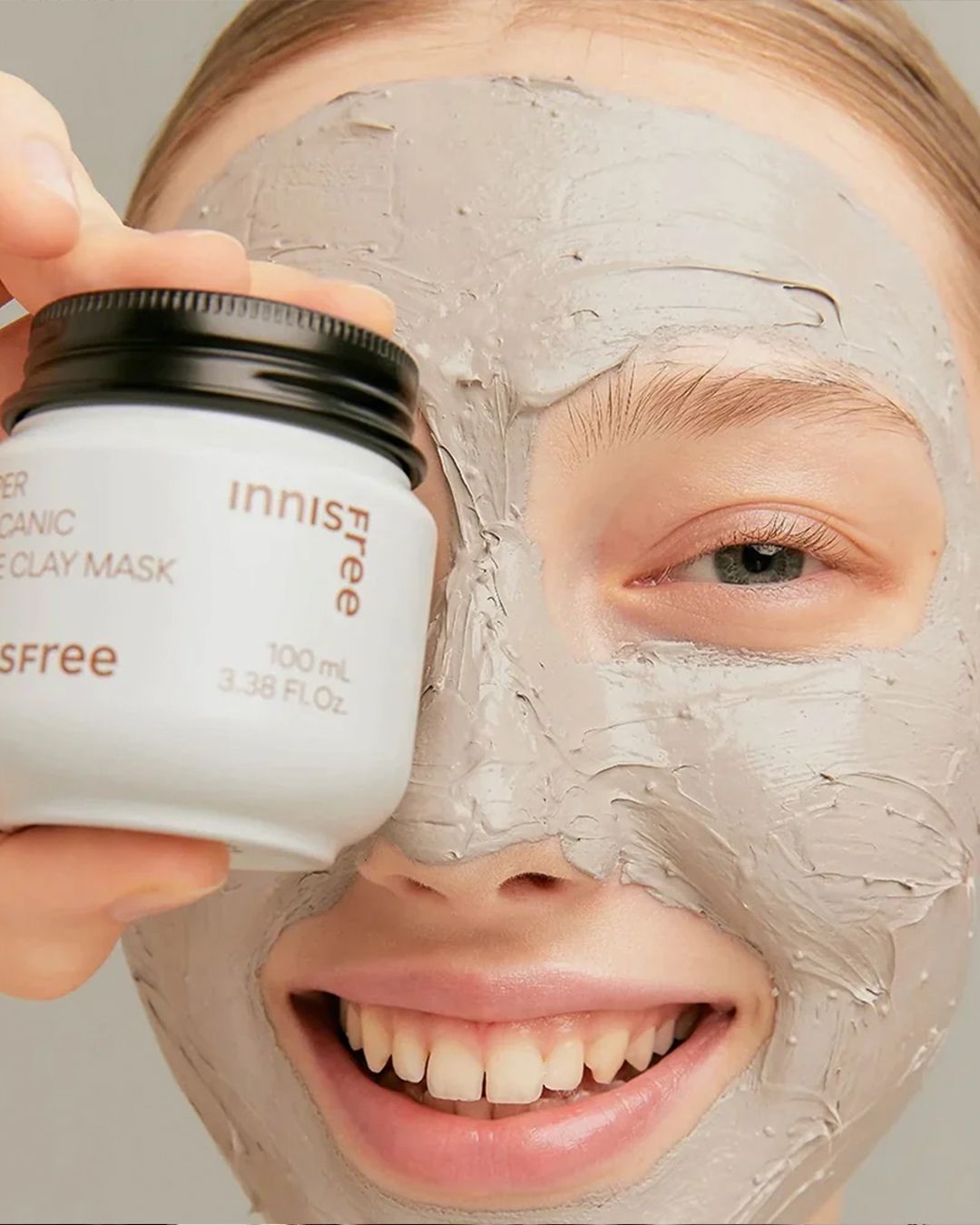
4. Clay Masks: Unlike blackhead removal strips, clay masks (especially those with bentonite clay or kaolin clay) work by absorption. The clay draws out excess oil, dirt, and impurities from the pores gently over time. A charcoal mask also works in a similar way. They won’t give you that instant “rip” result, but they are much better for your skin in the long run and provide a deep cleansing effect. Use them 1-2 times a week.
5. Oil Balancing and Pore-Care Products: Incorporate blackhead nose strips products that help manage oil and the appearance of pores.
-
Toners: An astringent toner with ingredients like witch hazel can temporarily tighten the appearance of pores, but a hydrating toner is often a better choice for maintaining skin health.
6. Professional Help: For stubborn blackheads, seeing a dermatologist or a licensed esthetician is the best option. They can perform professional extractions using sterile tools and proper technique, which is far safer than doing it yourself at home. They may also recommend treatments like chemical peels, microdermabrasion, or laser treatments for more severe cases.
7. Healthy Lifestyle Habits:
-
Diet: While the link between blackhead nose strips and acne isn’t simple for everyone, some find that reducing dairy and high-sugar foods helps their skin.
DIY and Natural Alternatives: Do They Work?
You might have seen recipes for homemade pore strips using ingredients like gelatin, milk, and activated charcoal. Or suggestions for natural blackhead remedies like apple cider vinegar, baking soda, or egg white masks. While the idea of a DIY skincare solution is appealing, proceed with extreme caution.
In general, DIY blackhead removal methods are unpredictable and often more harmful than commercial products. It’s safer to stick with formulated products or the long-term alternatives listed above.
The Final Verdict: To Strip or Not to Strip?
So, what’s the bottom line on blackhead nose strips?
They are what they are: a temporary, blackhead nose strips cosmetic fix. They can provide a satisfying, quick clean for a special occasion, like before a photo shoot, date, or party. The visual proof on the strip can be a powerful blackhead nose strips motivator for someone starting their skincare journey.
It gets the lint off instantly, but it doesn’t stop the lint from getting there in the first place. For that, you need blackhead nose strips to change the way you wash your clothes or what you wear. Similarly, for blackheads, the real solution lies in a consistent, gentle skincare routine focused on prevention through chemical exfoliation, retinoids, and oil control.
It’s about daily skincare habits, patience, and using the right ingredients for your skin type. It’s not as instantly thrilling as peeling off a blackhead nose strips strip, but your skin will thank you for years to come. Use a blackhead removal strip as an occasional treat if you must, but don’t rely on it. The true secret to poreless skin and a clear complexion is patience and consistency, not a quick, sticky fix.


Leave A Comment